


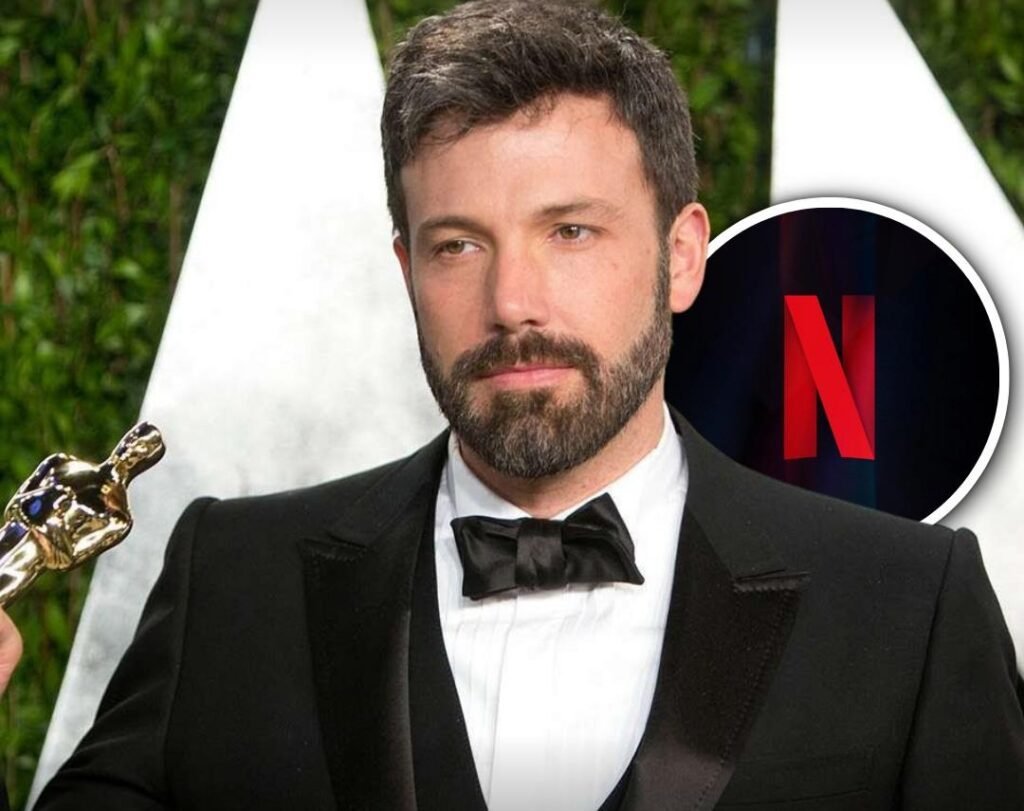
Netflix has acquired InterPositive, an artificial-intelligence filmmaking technology company founded by actor and director Ben Affleck, in a deal that signals the streaming giant’s growing interest in AI tools designed specifically for film and television production. Financial details of the acquisition were not disclosed, but the entire InterPositive team will join Netflix, with Affleck remaining involved as a senior adviser.
The company, launched in 2022, was built around a different vision of AI than the generative systems currently dominating public debate. Rather than producing scripts or digital actors, InterPositive focuses on AI tools that assist filmmakers during production and post-production, improving footage and helping solve common technical problems encountered during filming.
What InterPositive Actually Does
InterPositive’s software analyzes a production’s own footage—known as “dailies”—to build a custom AI model tailored to that specific project. Once trained, the system can help editors and visual-effects teams make adjustments to the footage while maintaining continuity and cinematic realism.
The technology can assist with tasks such as correcting lighting inconsistencies, reframing shots, replacing backgrounds, or identifying continuity problems between scenes. It can also remove visible stunt wires or adjust environmental details in ways that previously required manual digital effects work.
Importantly, InterPositive’s system is designed to work with existing footage rather than generate entirely new material from prompts, which has been one of the central concerns about AI in Hollywood. By focusing on production workflows instead of synthetic performances, the company aims to keep the creative decision-making firmly in the hands of directors, editors, and cinematographers.
Affleck has said the goal was to build technology that helps filmmakers rather than replacing them. In a statement explaining the project’s philosophy, he said the company wanted to “preserve what makes human storytelling human, which is judgment,” emphasizing that the tools were designed with constraints to protect creative intent.
Why Netflix Bought It
For Netflix, the acquisition represents another step toward integrating AI into the filmmaking process while attempting to reassure creators that the technology will serve their work rather than undermine it.
Netflix Chief Content Officer Bela Bajaria said the partnership aligns with the company’s longstanding relationship with artists and filmmakers. “We believe new tools should expand creative freedom, not constrain it or replace the work of writers, directors, actors, and crews,” she said in a statement about the deal.
Netflix executives say InterPositive’s tools could help streamline production pipelines, reduce costly reshoots, and allow filmmakers to experiment with visual adjustments late in the editing process without sacrificing quality. In an industry where visual effects and post-production can consume massive budgets, such efficiencies could significantly reshape how streaming content is produced.
A Broader Shift in Hollywood
The deal also reflects a broader shift in Hollywood’s attitude toward artificial intelligence. Only a few years ago, AI was a flashpoint during industry strikes and contract negotiations, with actors and writers expressing concern that studios might use automated systems to replace creative labor.
InterPositive represents a more cautious model—one where AI functions as a technical assistant rather than a creative substitute. By acquiring the company and bringing Affleck into an advisory role, Netflix appears to be positioning itself at the forefront of that approach.
Whether these tools become widely adopted across the industry remains to be seen. But with one of Hollywood’s most recognizable filmmakers now collaborating with one of the world’s largest streaming platforms, the merger of AI technology and cinematic storytelling is likely to accelerate.