
The Encor Series I: A Modern Esprit S4 Wearing Bond’s Most Iconic Disguise
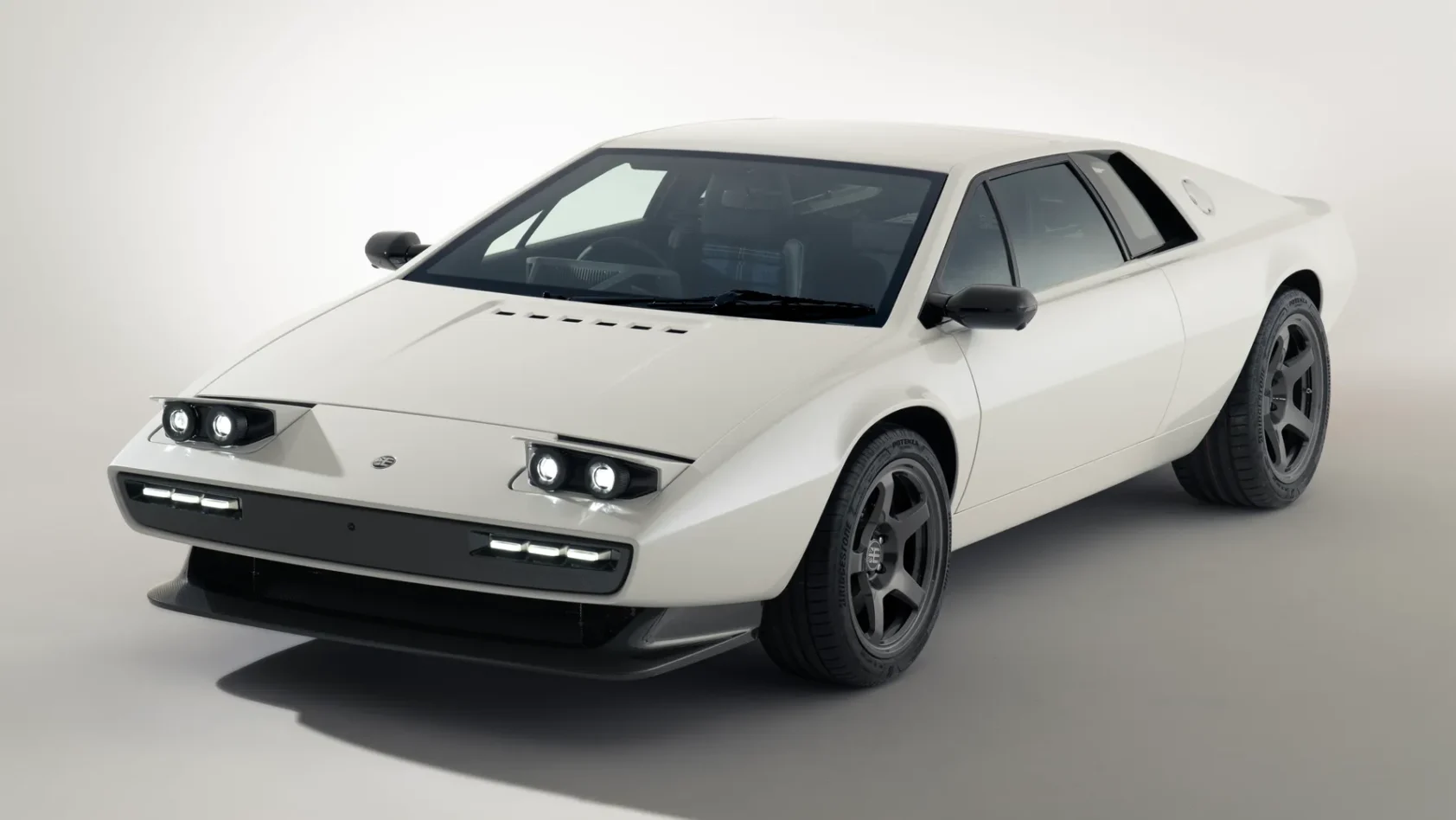
The Encor Series I is built on the chassis of a Lotus Esprit S4, but for James Bond enthusiasts, the first publicity images — that unmistakable wedge silhouette finished in white — instantly evoke the Lotus Esprit S1 from The Spy Who Loved Me, the car that famously transformed into a submarine.
When the first images of the Encor Series I appeared — a crisp white wedge rendered with modern carbon surfaces — many enthusiasts immediately thought of The Spy Who Loved Me. The silhouette unmistakably echoes the Lotus Esprit S1 that plunged beneath the Sardinian waves and resurfaced as a submarine.
Even without a film connection, the Esprit S1 has one of the most recognisable profiles in automotive history, and the Encor Series I deliberately evokes that geometry.
But despite the resemblance, this is not a Lotus product, nor a restoration of a factory S1.
It is something rarer: a coachbuilt reinterpretation of the Lotus Esprit by Encor, an independent British design and engineering firm founded by automotive designer Daniel Durrant and engineer Simon Lane. Encor is not owned by Lotus, not licensed by Lotus, and not overseen by Lotus. But Durrant did previously work as a designer at Lotus.
Encor’s Series I is a private, low-volume project built by acquiring a donor Esprit S4 or V8, restoring its chassis, and re-bodying it with an entirely new carbon-fibre outer shell designed as a tribute to Giugiaro’s 1970s design language.
Encor makes their intentions very clear:
“Our goal is to honour the original design’s intent while letting the car perform, feel and function the way its silhouette always promised.”
— Daniel Durrant, Encor co-founder (former Lotus designer)
With that guiding philosophy, the Series I becomes less a replica and more an evolutionary branch of the Esprit — the kind that might have existed if Lotus had continued refining Giugiaro’s wedge straight into the 2020s.
A Carbon-Fibre Tribute Reinvented for Modern Performance
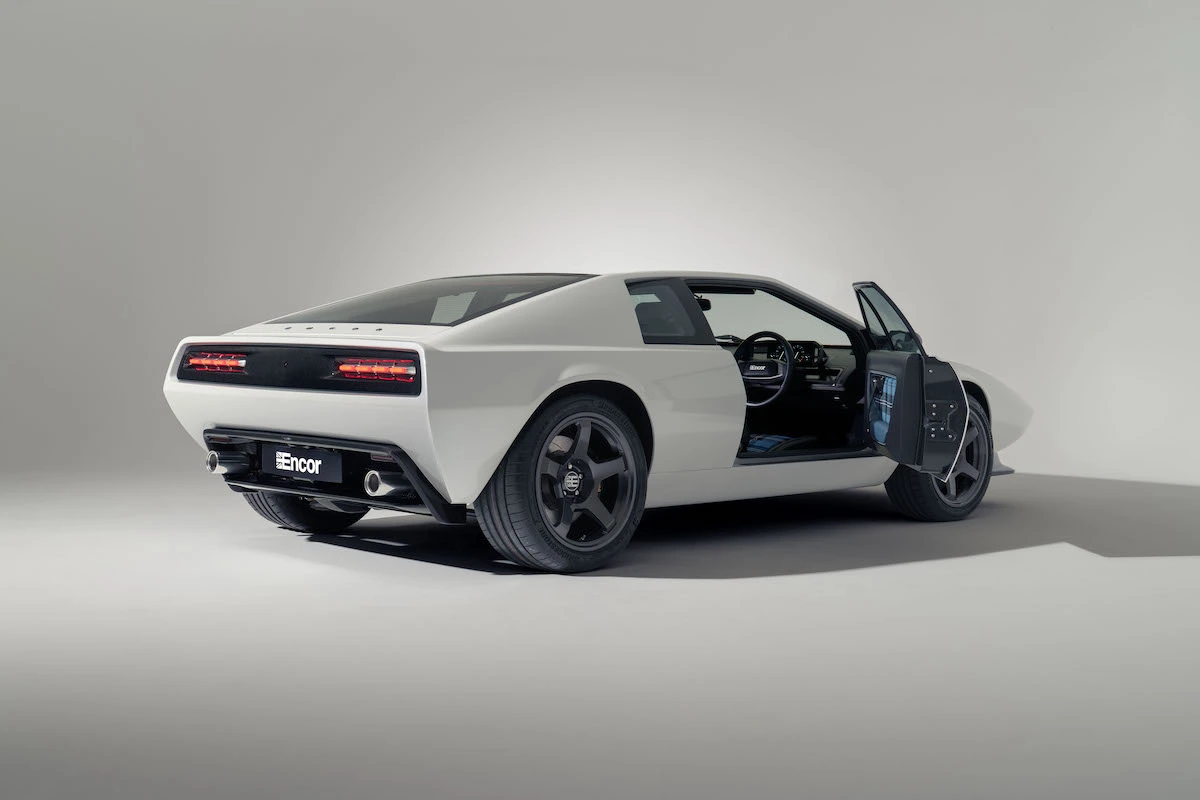
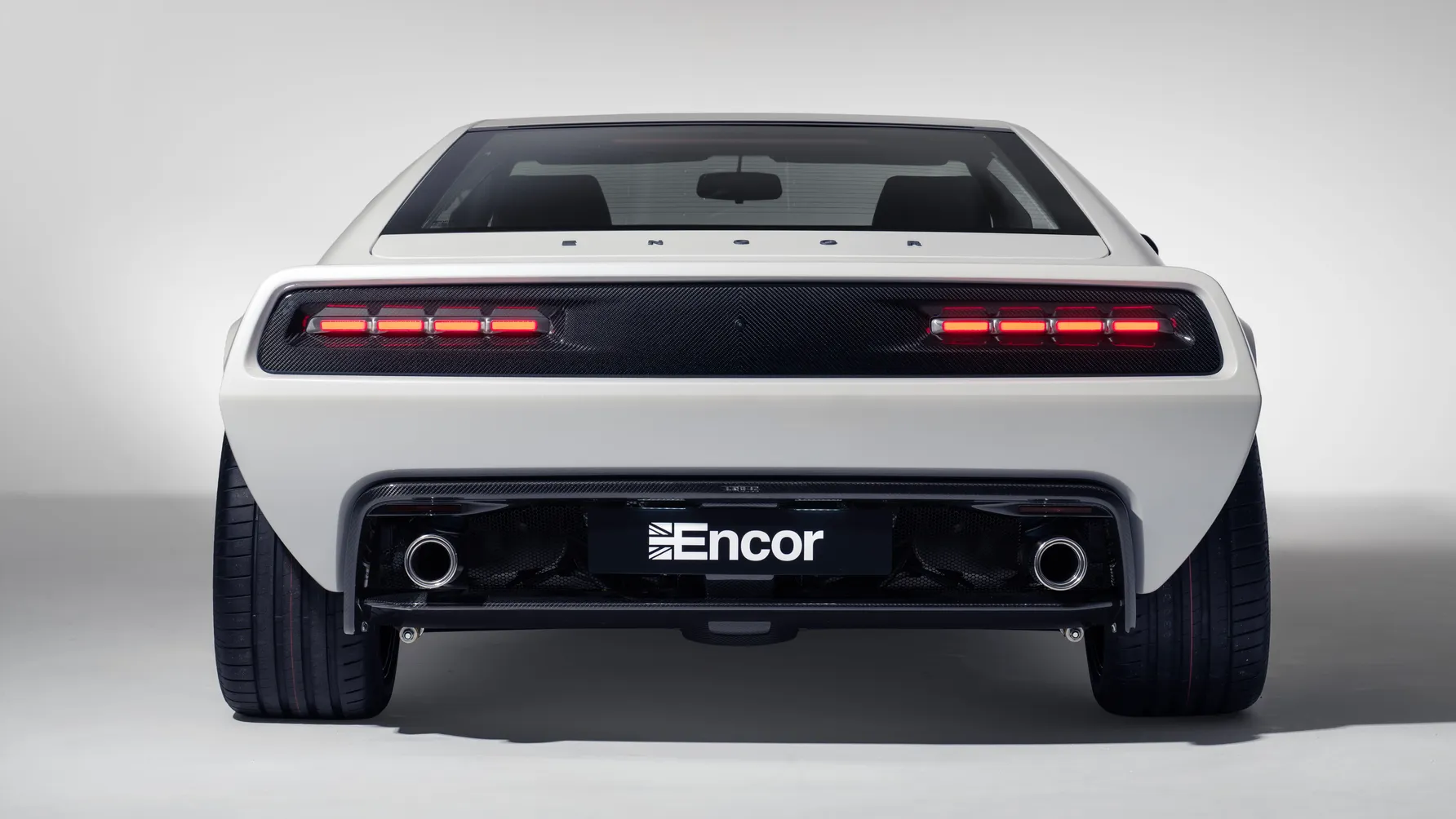
The car’s new carbon-fibre body is more than a reinterpretation — it finally gives the Esprit the structural precision its original form implied. The surfaces are razor-clean, the stance slightly more predatory, and the geometry no longer bound by the limitations of 1970s fibreglass moulds. The white finish heightens the sense of déjà vu, but Encor does not rely on nostalgia. The design stands on its own: sharper, lighter, and engineered for genuine supercar performance.
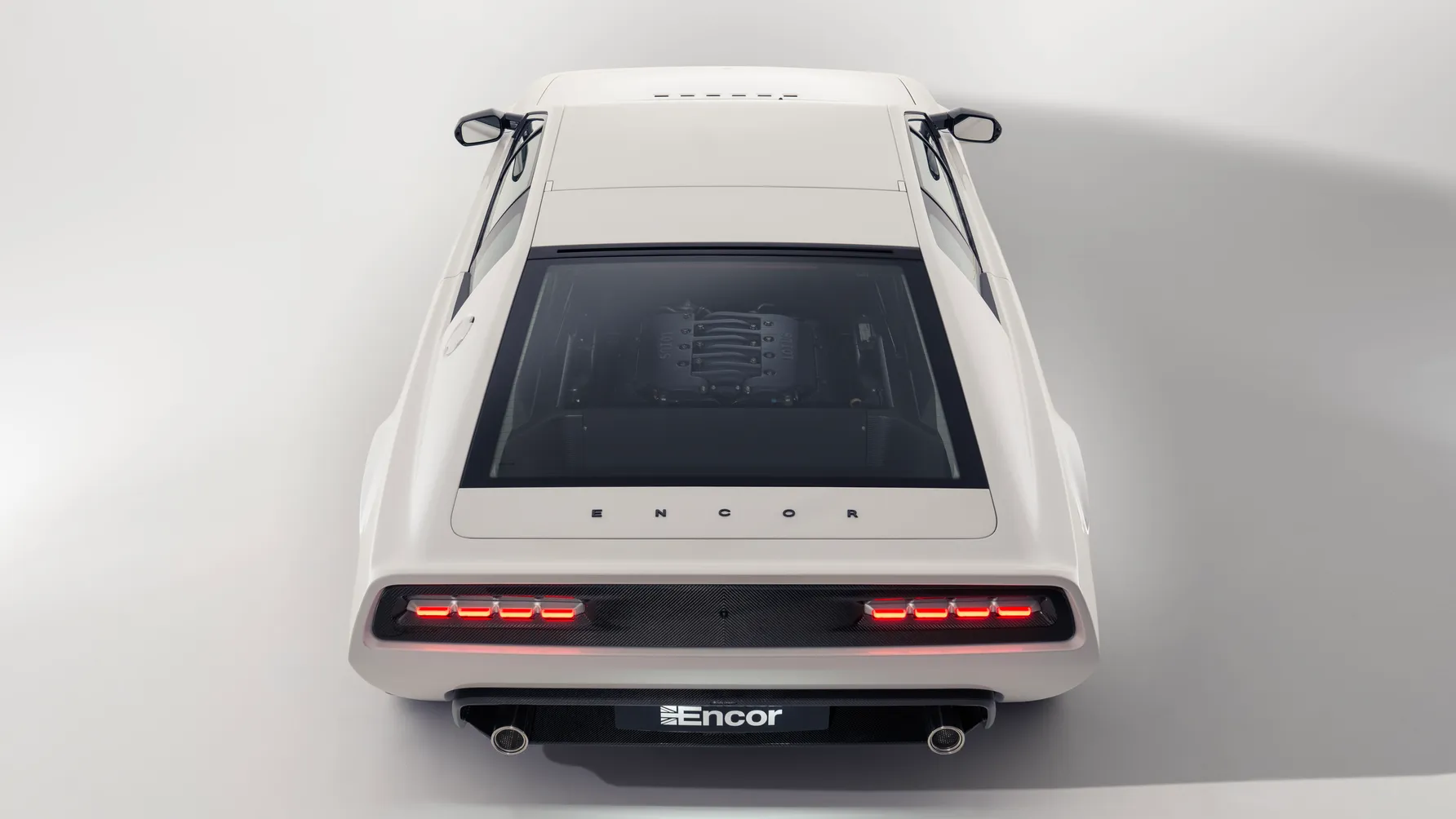
Beneath this sculpted carbon skin lies a thoroughly rebuilt heart. The donor Esprit’s 3.5-litre twin-turbo Lotus V8 has been completely re-engineered to deliver around 298 kW (400 hp) and 475 Nm (350 lb-ft). Combined with a target kerb weight under 1200 kg, the Series I achieves the kind of power-to-weight ratio that finally lets the Esprit behave as dramatically as it looks. Encor predicts a 0–100 km/h time of around four seconds and a top speed approaching 282 km/h (175 mph)—figures that place the Series I firmly in contemporary supercar territory.
This performance demanded more than just power. The original five-speed manual gearbox has been comprehensively reworked by Quaife, now fitted with a strengthened input shaft, revised ratios, a helical limited-slip differential, and a bespoke twin-plate clutch. It transforms the Esprit’s famously delicate original transmission into something that can confidently channel modern torque while retaining the analogue joy of a three-pedal setup.
The chassis receives an equally serious transformation. Suspension components are upgraded to Sport 350 specification, giving the Series I sharper composure and tighter body control than any factory Esprit. AP Racing brakes sit at all four corners, delivering the kind of stopping power the V8 Esprit always deserved but never fully achieved. Even the steering remains hydraulically assisted — a conscious decision to preserve the Esprit’s intimate, communicative feel rather than dilute it with electric systems.
An Interior That Captures the Spirit of the S1 While Elevating Everything
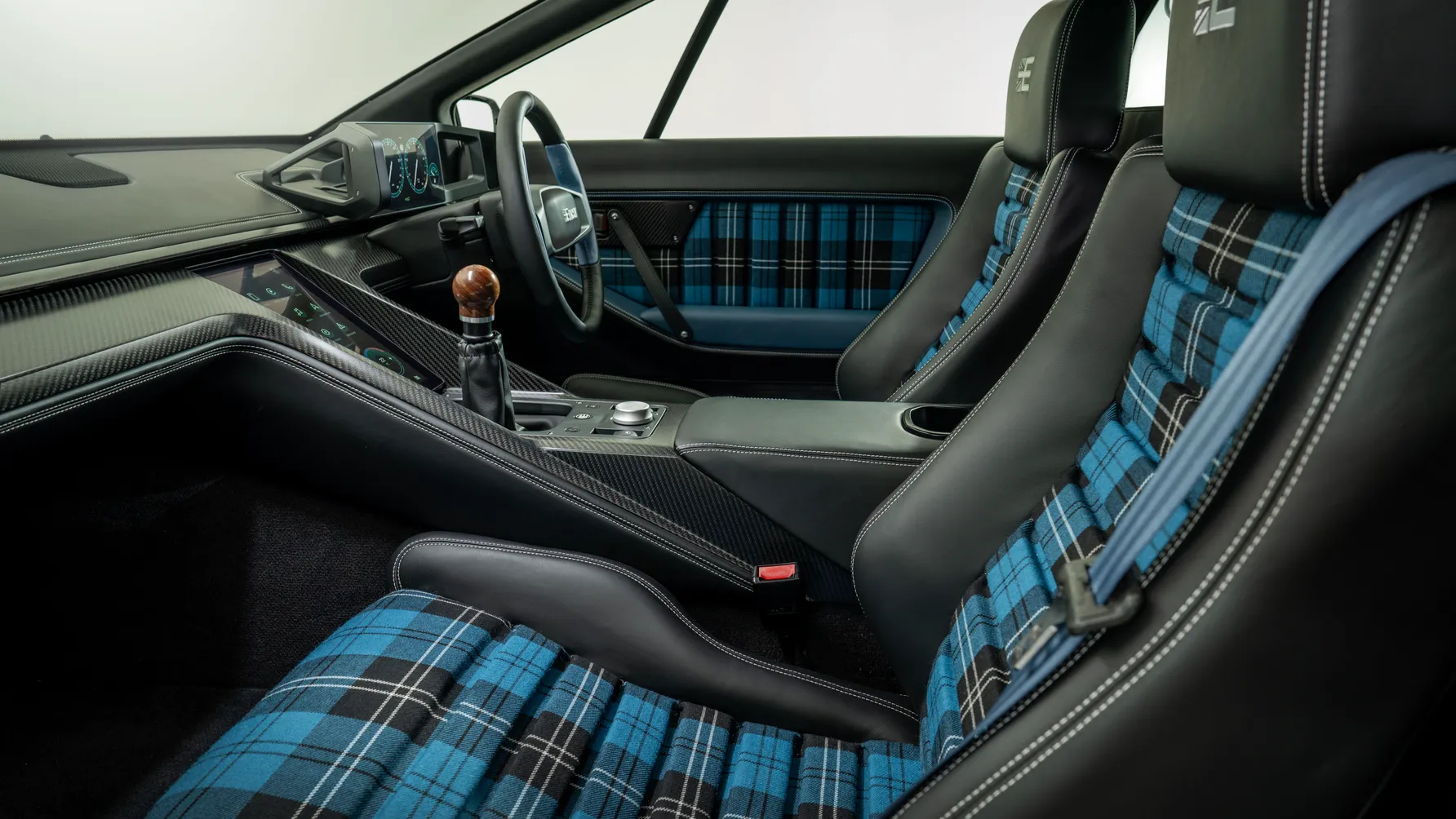
Inside, the Series I preserves the Esprit’s most distinctive interior cues — the dramatically sloped dashboard, the cockpit-like wraparound binnacle, even the tartan accents that recall the 1976 original. But none of these features are untouched. All are reinterpreted with modern craftsmanship and materials.
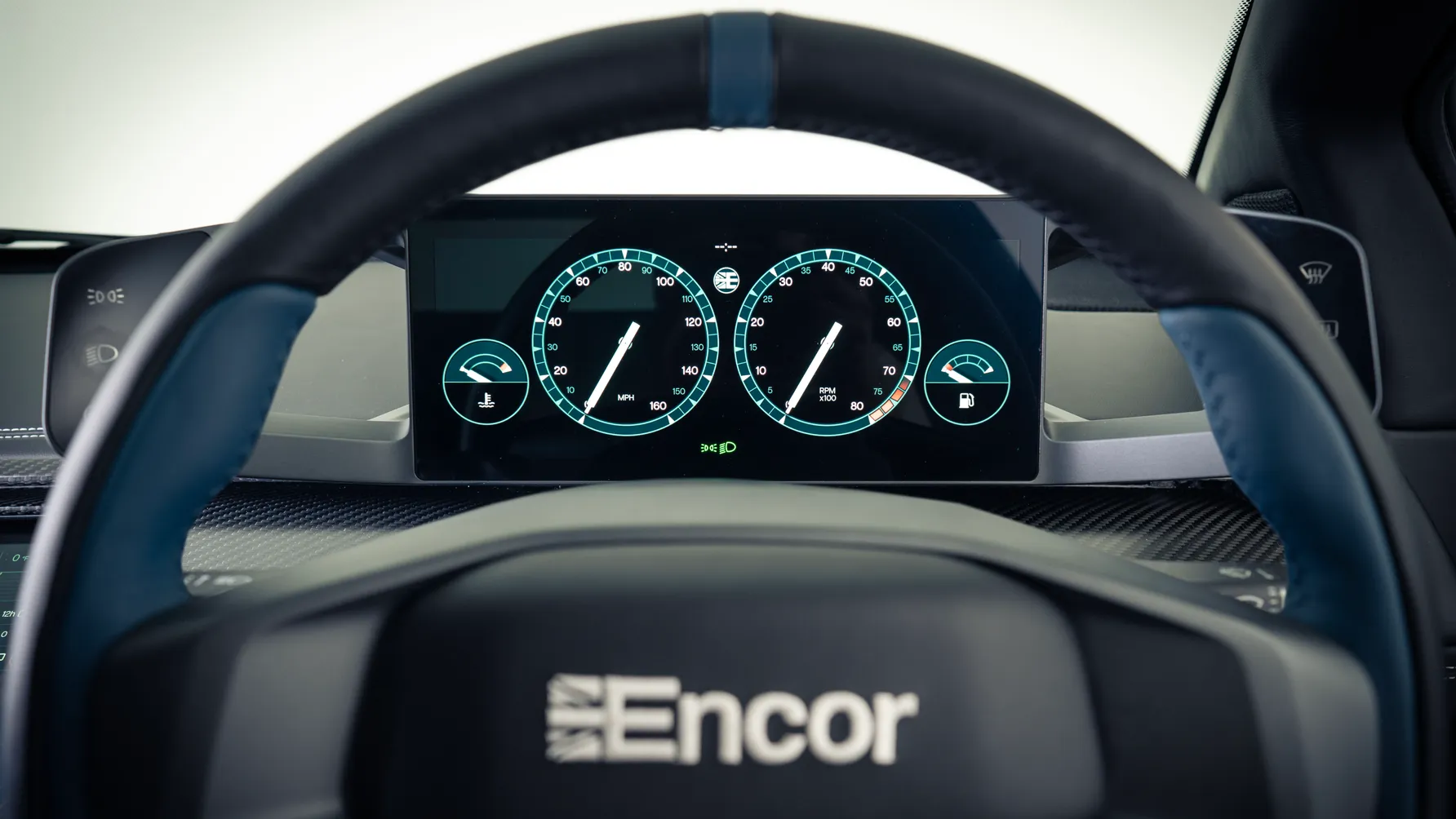
The most striking element is the floating instrument cluster, now machined from a single billet of aluminium. It retains the Esprit’s original sculptural intent but houses a modern digital display, seamlessly blending heritage and contemporary functionality. The seats have been completely restored, re-foamed, and re-trimmed, preserving the Esprit’s original ergonomics while offering a level of support and finish the S1 could never dream of.
Behind the scenes, Skyships Automotive — known for discreet integration of modern systems — has woven in infotainment, climate control, and camera technology without disturbing the analogue soul of the car. These systems remain hidden until needed, a technological whisper rather than a shout.
As Simon Lane explains:
“This car is analogue at heart. We wanted to avoid the modern tendency toward gadgetry; the technology exists to enhance the experience, not to dominate it.”
The philosophy is clear: elevate the Esprit without overwhelming it.
A Boutique Supercar With Serious Pedigree
Though Encor is a newcomer in the restomod landscape, its core team has experience at Lotus, Aston Martin, and even Koenigsegg. That pedigree shows in every surface, joint, and engineering decision. The result is a car that feels like a continuation of the Esprit’s lineage, not a reinterpretation by outsiders.
Of course, craftsmanship at this level doesn’t come cheap. Pricing begins at £430,000—and that’s before the cost of a suitable donor Esprit V8, optional extras, or on-road preparation. Only 50 individually commissioned builds will be produced, with commissioning available at Encor’s Chelmsford headquarters or via private consultations for international clients.
Deliveries are scheduled to begin in Q2 2026, continuing into 2027. For those who dream more than they drive, an online configurator allows prospective owners — or admirers — to tailor their fantasy Esprit with a level of personalization Lotus never offered.
The Esprit’s Future, Imagined Through the Lens of Its Past
The Encor Series I exists in a space Lotus itself never occupied. It is not a restoration, not a reproduction, not a nostalgia act. It is a glimpse into an alternate design timeline — one where Giugiaro’s wedge remained a living idea, refined over decades instead of replaced.
For Bond fans, the silhouette alone is enough to stir the memory of that impossible transformation beneath the waves.
For Lotus enthusiasts, it delivers the engineering substance the Esprit always hinted at.
For design purists, it is a modern sculpture informed by a legendary shape.
In the end, the Encor Series I isn’t trying to revive the past.
It’s completing it.
And maybe this new Series 1 deserves an encore of its own — in a future James Bond movie.